PROLIS AGRO
THE SPIRIT
OF INNOVATION
Product for plant stress reduction in agricultural crops. Maximaizing of crop yield potential and quality.
Do you know the crop stress can severely reduce the potential yields by 65 - 87% and in extremely harsh conditions cause so much damage it can lead to complete crop failure?

Happy Customers

Cultivate Yards

Negative effects of plant stress on plants. Various plant stresses of plants are unavoidable throughout their growth period, which are divided into those caused by:
Abiotic stress: Energy to World shortage of water (drought), too little of light, too much of light or too low temperatures, excessive ultraviolet rays, harmful gases, plant protection products, foliar fertilizers, plant nutrition deficiency, harmful heavy metals such as cadmium (Cd) lead, (Pb), mercury (Hg), chromium (Cr), industrial waste, radioactivity, xenobiotics, saline soils, mechanical damage (strong winds, hail, etc.). Biotic stress: diseases and insect infestations, competition with other plants, especially weeds, damage of herberivals, flowering and fruit formation period, etc. All these environmental factors in varying degrees will limit the crop growth and reduce yield. It will also reduce the quality of the crop at harvest losing the grower money due to a reduction in yield and on top of loss of quality. To overcome those unfavorable conditions the grower must use PROLIS® to restore the plants physiological processes and preserve the potential yield and quality. PROLIS® contains essential L-α-proline acid, which is essential in plants, especially under stress, plays a key role in osmoregulation, bioenergy, cell growth and reproduction and acts as an antioxidant and stimulator of enzyme formation and their precursors needed by plants maximize stress resistance. It has been found that under stress, the concentration of L-α-proline acid in the intercellular solution is significantly increased in plants, which, if the stress lasts long enough, is consumed in various physiological self-regulatory processes. In a state of stress, special chemical compounds are formed in plant cells such as non-toxic low molecular weight organic solutions, to protect against unfavorable growth conditions, and L-α-proline acid is one of the ingredients. Numerous tests have shown that its use by spraying through leaves, treatments of seeds helps effectively to protect plants from various stresses. L-α-proline acid slows down the aging process. PROLIS® improves the acidity of the intercellular solution.

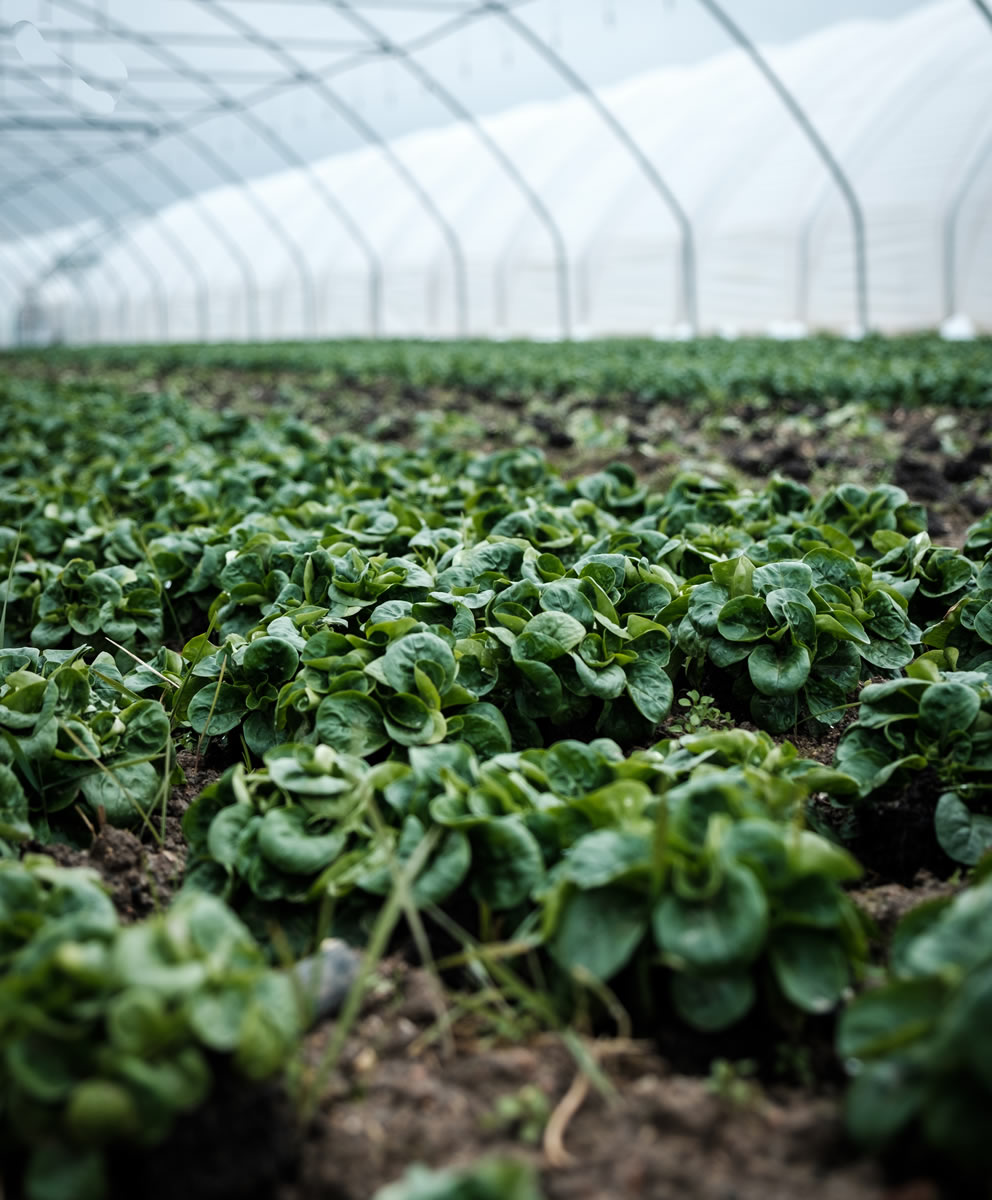
PROLIS® helps to overcome plant stress caused by lack of moisture. (In drought conditions).
Water scarcity (drought) is the biggest factor limiting plant growth Worldwide, leading to a sharp drop in yields or even a total loss of yields, as well as a deterioration in crop quality. PROLIS® protects plant cells from water loss by maintaining osmotic pressure and sends a signal to the leaf stoma to shut off moisture evaporation and increases the uptake of water into the cell. PROLIS® plays a crucial role in the process of osmoregulation in cells. PROLIS® is an antioxidant, as it helps to overcome plant stress caused by heat and too low temperatures. Deviations from the optimal growth temperature cause significant damage to the growth and development of agricultural plants. Too hight and too low temperatures produce excessive levels of various types of Reactive Oxygen Species (ROS), such as oxygen superoxide (O -2 ), hydroxyl (OH - ), hydrogen peroxide (H 2 O 2 ), nitrogen oxide (NO) and many others. Under normal plant growth conditions, reactive oxygen species (ROS) are within normal limits and play an important role in protecting against pathogens. Plants are more susceptible to plant diseases when in a state of stress. The various types of reactive oxygen species (ROS) should remain within normal limits, but this is only possible under ideal plant growth conditions, which are very rare during vegetation. Under normal conditions, excess Reactive Oxygen Species (ROS) are eliminated by protective antioxidant compounds produced by the plants themselves, but when plants are exposed to biotic and abiotic stresses, their reactive oxygen species (ROS) levels increase. Excessive oxidative processes caused by reactive oxygen species (ROS) in plants damage proteins and promote fat oxidation in cell walls, leading to electrolyte leakage, damage to nucleic acids, degradation of chlorophyll pigments, reduction of enzyme activity and damage to the entire growth chain of various physioligical functions. PROLIS® leads to the formation of antioxidant enzymes precursors and antioxidants such as catalase, ascorbate peroxidase and superoxide dismutase and others, thus neutralize excessive amounts of reactive oxygen species (ROS) and allow plants to grow normally. The resistance of plants to low temperatures is determined by the minimum temperature at which the plants no longer grow. For most plants, this temperature is even below + 4° C. When the plant is exposed to temperatures below zero, PROLIS® helps the plant to produce soluble sugars; as much as to 20 - 40% of them increase in plant cells, which significantly reduces the freezing temperature of the solution in the cells at lower temperatures and, as a result, increases the resistance of plants to low temperatures.
Get in Touch
Send us you message and we will get back to you!
he product range is extensive and we have found many products have greatly enhanced our growing regimes and have helped to push crop productivity and quality to new levels. The support we have received from the technical advisors has been second to none, a service which we greatly appreciate.

Jaret Smith
Farmer
PROLIS AGRO
around the world
